



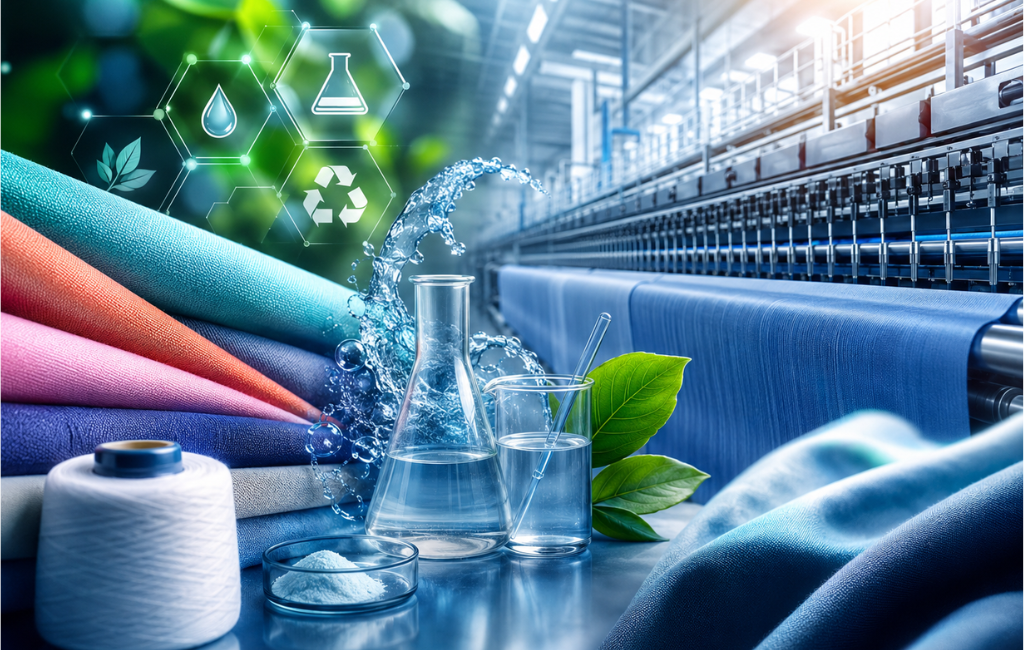
The quality of textile processing chemicals directly influences the strength, appearance, durability, and overall performance of fabrics. Whether you’re manufacturing woven, knitted, denim, home textiles, or technical textiles, selecting premium textile processing chemicals can significantly reduce production issues, improve efficiency, and enhance customer satisfaction.
High-quality chemicals not only optimize every stage of textile manufacturing but also contribute to sustainable production by reducing waste, water consumption, and energy usage. For textile mills aiming to deliver consistent fabric quality while minimizing operational costs, investing in reliable textile processing chemicals is a strategic decision.
What Are Textile Processing Chemicals?
Textile processing chemicals are specialized formulations used throughout textile manufacturing to improve processing efficiency and enhance the final properties of fabrics. They support various stages, including pre-treatment, sizing, dyeing, printing, finishing, and coating.
These chemicals ensure:
- Better yarn protection
- Improved dye absorption
- Enhanced fabric softness
- Superior strength
- Reduced machine downtime
- Consistent production quality
Without the right textile processing chemicals, manufacturers often experience fabric defects, inconsistent dyeing, excessive yarn breakage, and increased production costs.
Why Do High-Quality Textile Processing Chemicals Matter?
The difference between standard and premium textile chemicals goes beyond cost—it directly impacts productivity, fabric performance, and profitability.
Improved Fabric Strength
High-performance chemicals strengthen yarns and fabrics, reducing damage during weaving, dyeing, and finishing.
Benefits include:
- Higher tensile strength
- Better abrasion resistance
- Longer fabric lifespan
- Reduced yarn breakage
Better Dye Absorption
Premium textile chemicals improve dye penetration and fixation, resulting in:
- Uniform color shades
- Enhanced color fastness
- Reduced patchiness
- Lower dye consumption
This leads to consistent fabric quality and fewer reprocessing cycles.
Superior Fabric Finish
Quality finishing chemicals provide:
- Softer hand feel
- Better wrinkle resistance
- Improved dimensional stability
- Enhanced appearance
These characteristics increase the market value of finished textiles.
Increased Production Efficiency
Reliable textile processing chemicals help mills achieve:
- Faster processing cycles
- Reduced machine stoppages
- Lower chemical consumption
- Improved production consistency
Higher efficiency translates into greater profitability.
What Are Some of the Chemicals Used in Textile Processing?
Different textile manufacturing stages require specialized chemicals.
Common textile processing chemicals include:
Textile Sizing Chemicals
Used to strengthen warp yarns before weaving, reducing breakage and improving weaving efficiency.
Wetting Agents
Improve water penetration during pre-treatment.
Scouring Agents
Remove oils, waxes, and impurities from fibers.
Desizing Chemicals
Remove sizing materials after weaving.
Dyeing Auxiliaries
Enhance dye uptake and color uniformity.
Fixing Agents
Improve color fastness after dyeing.
Softeners
Provide softness and improved fabric feel.
Silicone Finishing Chemicals
Enhance smoothness, flexibility, and durability.
Anti-Foaming Agents
Reduce foam formation during processing.
Lubricants
Minimize friction between fibers and machinery.
How Textile Processing Chemicals Improve Every Manufacturing Stage
Yarn Preparation
Sizing chemicals strengthen yarns before weaving, reducing breakage and improving loom efficiency.
Pre-Treatment
Scouring and wetting agents prepare fabrics for effective dyeing.
Dyeing
Specialty auxiliaries promote better dye penetration and consistent shades.
Printing
Printing chemicals ensure sharp designs with minimal bleeding.
Finishing
Finishing agents improve softness, wrinkle resistance, water repellency, and overall fabric performance.
Eco-Friendly Textile Processing Chemicals: Why Sustainability Matters
The textile industry is increasingly adopting eco-friendly textile processing chemicals to reduce environmental impact while maintaining high production standards.
Advantages include:
- Lower water consumption
- Reduced energy usage
- Biodegradable formulations
- Compliance with international environmental standards
- Safer working conditions
- Reduced wastewater treatment costs
Sustainable chemical solutions help manufacturers meet global buyer expectations while supporting responsible textile production.
How to Choose the Right Textile Chemical Suppliers
Choosing the right supplier is just as important as selecting the right chemicals.
Consider the following factors:
Product Quality
Look for manufacturers offering consistent, laboratory-tested formulations.
Technical Support
Reliable suppliers provide application guidance and process optimization.
Industry Experience
Choose companies with proven expertise in textile chemical manufacturing.
Custom Solutions
Every textile mill has different requirements. Customized chemical solutions deliver better performance.
Consistent Supply
Reliable inventory management prevents production delays.
Why Textile Mills Prefer Textile Sizing Chemicals in Coimbatore
Coimbatore is one of India’s leading textile manufacturing hubs, known for its strong ecosystem of spinning mills, weaving units, and textile processing industries.
Many manufacturers choose textile sizing chemicals in Coimbatore because they benefit from:
- Industry-focused formulations
- Faster technical support
- Reliable bulk supply
- Deep understanding of local textile manufacturing processes
- Customized sizing solutions for different yarn counts and weaving conditions
Common Mistakes When Selecting Textile Processing Chemicals
Avoid these common errors:
- Choosing chemicals based only on price
- Ignoring compatibility with existing processes
- Using excessive chemical dosage
- Not conducting laboratory trials
- Working with inexperienced suppliers
- Overlooking environmental compliance
Selecting high-quality chemicals from trusted manufacturers reduces these risks and improves long-term production efficiency.
Best Practices for Better Fabric Performance
To achieve consistent results:
- Use premium-grade textile processing chemicals.
- Perform regular quality testing.
- Optimize chemical dosage based on fabric type.
- Train production teams on proper application methods.
- Monitor process parameters consistently.
- Partner with experienced textile chemical manufacturers.
These practices help improve productivity while maintaining superior fabric quality.
Why Choose Sri Gomuki Tex Chem?
At Sri Gomuki Tex Chem, we manufacture high-performance textile processing chemicals designed to improve weaving efficiency, fabric quality, and production consistency.
Our solutions help textile manufacturers:
- Improve yarn performance
- Reduce production costs
- Enhance fabric quality
- Increase machine productivity
- Support sustainable textile manufacturing
With years of industry expertise, we deliver customized chemical solutions tailored to the needs of modern textile mills.
Ready to Improve Your Fabric Performance?
Choosing the right textile processing chemicals can make a measurable difference in your production efficiency and fabric quality.
Get Expert Consultation
Need help selecting the ideal textile processing chemicals for your mill? Our technical team can recommend solutions based on your specific manufacturing process.
📧 sales@srigomuki.com | 📞 +91 9655006383
Frequently Asked Questions
Textile processing chemicals are specialized products used during textile manufacturing to improve yarn strength, dyeing efficiency, fabric quality, and finishing performance.
High-quality chemicals improve fabric durability, reduce production defects, increase machine efficiency, and lower overall manufacturing costs.
Common chemicals include sizing chemicals, wetting agents, scouring agents, desizing chemicals, dyeing auxiliaries, fixing agents, softeners, lubricants, silicone finishes, and anti-foaming agents.
Yes. Modern eco-friendly textile processing chemicals deliver excellent performance while reducing water usage, energy consumption, and environmental impact.
Choose suppliers based on product quality, technical expertise, manufacturing experience, customization capabilities, quality certifications, and consistent supply.