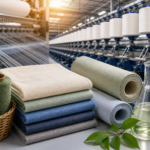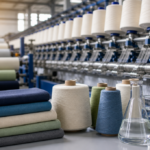




Tamil Nadu has long been one of India’s most important textile manufacturing regions. From spinning and weaving to dyeing, processing, and garment production, the state’s textile industry supports both domestic and international markets.
Today, however, textile mills are facing new expectations. Customers, global brands, regulators, and buyers are increasingly paying attention to how textiles are manufactured. This is one of the main reasons why sustainable textile manufacturing in Tamil Nadu is becoming an important focus for modern textile mills.
Sustainability is no longer only about protecting the environment. For many manufacturers, it also means improving production efficiency, reducing waste, managing resources responsibly, and meeting changing market requirements.
The use of better processes and eco-friendly textile chemicals in Tamil Nadu is helping manufacturers move towards more responsible textile production without compromising product performance.
Sustainable Textile Manufacturing in Tamil Nadu Is Becoming a Business Priority
Textile manufacturing requires significant resources, including water, energy, raw materials, and processing chemicals. Traditional production methods can sometimes result in high resource consumption and increased waste.
Modern textile mills are therefore looking for practical ways to improve their operations.
Sustainable textile manufacturing in Tamil Nadu focuses on improving the overall production process by considering factors such as:
- Efficient water usage
- Reduced chemical waste
- Lower energy consumption
- Improved process efficiency
- Safer chemical selection
- Waste reduction
- Better resource management
- Sustainable sourcing practices
The goal is to create a manufacturing process that supports both long-term business growth and responsible production.
Why Global Textile Buyers Are Driving Sustainable Manufacturing
Tamil Nadu’s textile industry serves customers and markets around the world. As global buyers become more focused on responsible sourcing, manufacturers are increasingly expected to demonstrate better environmental and chemical management practices.
For textile exporters, sustainability can influence supplier selection and long-term business relationships.
Manufacturers that invest in sustainable textile manufacturing in Tamil Nadu can be better positioned to respond to changing buyer expectations.
Sustainable Manufacturing Can Support Market Opportunities
Many international customers now look beyond the finished fabric or garment. They may also consider:
- Manufacturing practices
- Chemical management
- Environmental policies
- Product traceability
- Resource efficiency
- Supplier compliance documentation
This has encouraged many textile mills to evaluate the chemicals and processes used throughout production.
The Growing Demand for Eco-Friendly Textile Chemicals in Tamil Nadu
Chemicals play an important role in textile manufacturing. They are used during processes such as sizing, weaving, dyeing, finishing, and fabric treatment.
However, modern manufacturers are increasingly looking for products that can deliver the required performance while supporting responsible chemical management.
This has increased interest in eco-friendly textile chemicals in Tamil Nadu.
How Eco-Friendly Textile Chemicals Support Textile Mills
The right textile chemicals can help manufacturers improve process performance while working towards their sustainability goals.
Depending on the application and formulation, suitable solutions may help support:
- Efficient chemical usage
- Reduced processing waste
- Better yarn and fabric performance
- Improved process consistency
- Responsible chemical management
- Sustainable textile processing
For textile manufacturers, the key is to select chemicals based on their specific application, production process, and customer requirements.
Sustainable Textile Manufacturing Helps Reduce Waste
Waste reduction is another major reason textile mills are changing their production practices.
Waste can occur in many forms, including:
- Excess chemical consumption
- Water usage
- Fabric rejection
- Yarn breakage
- Production losses
- Energy inefficiency
- Reprocessing requirements
Improving process control can help reduce unnecessary losses.
For example, using suitable sizing chemicals can support better yarn performance and reduce issues such as excessive warp breakage. Similarly, choosing the right processing chemicals can help improve consistency and reduce the need for repeated production processes.
This approach can support sustainable textile manufacturing in Tamil Nadu while also improving operational efficiency.
REACH Compliant Textile Chemicals and Responsible Chemical Management
Chemical compliance has become increasingly important for textile manufacturers supplying global markets.
REACH compliant textile chemicals are commonly considered by manufacturers that need to manage restricted substances and align their chemical selection with applicable customer or market requirements.
For textile mills, responsible chemical management involves more than simply purchasing a product.
It may include:
- Reviewing product documentation
- Understanding chemical composition and restrictions
- Working with reliable suppliers
- Maintaining relevant records
- Meeting customer-specific requirements
Manufacturers should always verify the current compliance status and suitability of individual chemicals for their intended application and target market.
Choosing appropriate REACH compliant textile chemicals can be an important part of a broader sustainable manufacturing strategy.
The Role of GOTS Approved Textile Chemicals
The keyword GOTS approved textile chemicals is commonly used when discussing chemical inputs for organic textile production.
However, textile manufacturers should understand that chemical input acceptance and certification requirements can depend on the specific product, certification body, and applicable standard requirements.
For manufacturers working with organic textile production, it is important to verify whether a specific chemical input is suitable for their certification requirements.
Using suitable chemical inputs can help support manufacturers that are working towards responsible and certified textile production.
How Better Textile Chemicals Can Improve Production Efficiency
Sustainability and efficiency often work together.
When textile mills reduce unnecessary chemical consumption, material waste, and production interruptions, they may also reduce operational costs.
The right eco-friendly textile chemicals in Tamil Nadu can support manufacturers by helping them focus on both performance and responsible production.
Areas Where Mills Can Improve Efficiency
Textile manufacturers can evaluate:
- Chemical consumption levels
- Water usage
- Energy consumption
- Yarn breakage
- Production waste
- Process consistency
- Reprocessing requirements
Small improvements across different stages of production can contribute to significant long-term benefits.
This is one reason why sustainable textile manufacturing in Tamil Nadu is becoming an important strategy rather than simply a marketing trend.
Why Textile Mills Need the Right Chemical Partner
Moving towards sustainable manufacturing requires technical understanding and reliable product support.
A textile chemical supplier should understand the requirements of modern textile production and help manufacturers identify suitable solutions for their applications.
Sri Gomuki Tex Chem Pvt Ltd provides sustainable textile chemical solutions for modern textile manufacturing, including products for textile sizing, binders, and softening applications.
With a focus on high-performance and responsible chemical solutions, the company supports textile manufacturers looking to improve product quality, weaving efficiency, and sustainable processing practices.
The right supplier can help mills evaluate factors such as:
- Yarn and fabric requirements
- Production conditions
- Chemical performance
- Process efficiency
- Sustainability requirements
- Customer expectations
The Future of Sustainable Textile Manufacturing in Tamil Nadu
The textile industry will continue to evolve as technology, market expectations, and sustainability requirements change.
For manufacturers in Tamil Nadu, sustainable production can create opportunities to improve operations and remain competitive in a changing global textile market.
The future of sustainable textile manufacturing in Tamil Nadu is likely to involve a greater focus on:
- Eco-friendly textile chemicals
- Improved resource efficiency
- Better wastewater management
- Reduced production waste
- Energy-efficient technologies
- Responsible chemical management
- Sustainable supply chains
Textile mills that begin improving their processes today can be better prepared for future market requirements.
How Sri Gomuki Tex Chem Supports Sustainable Textile Manufacturing
Sri Gomuki Tex Chem Pvt Ltd is committed to providing textile chemical solutions designed for modern manufacturing needs.
The company offers solutions that support textile manufacturers looking for improved performance, responsible chemical selection, and sustainable production practices.
Its product range includes solutions for:
- Textile sizing
- Textile binders
- Textile softeners
- Sustainable textile processing
For manufacturers searching for eco-friendly textile chemicals in Tamil Nadu, selecting the right formulation and supplier can play an important role in improving both production efficiency and sustainability goals.
Conclusion
The move towards sustainable textile manufacturing in Tamil Nadu is being driven by a combination of changing customer expectations, global market requirements, resource management challenges, and the need for greater production efficiency.
Sustainability does not have to mean compromising on textile performance. With the right processes and suitable eco-friendly textile chemicals in Tamil Nadu, manufacturers can work towards reducing waste, improving efficiency, and supporting responsible production.
Chemical management also remains an important part of this journey. Evaluating suitable REACH compliant textile chemicals and chemical inputs relevant to certification requirements can help manufacturers respond to the expectations of modern textile markets.
For textile mills, sustainable manufacturing is not just about the future. It is increasingly becoming an important part of building a competitive and efficient business today.
Call Now: +91 9655006383