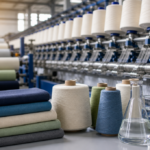




Textile manufacturing is not just about choosing the right yarn or fabric. The right chemical solution can influence how smoothly production runs, how the fabric feels, and how consistently the final product meets quality expectations.
From sizing and weaving to finishing and softening, textile chemicals manufacturers play an important role in helping textile mills achieve better performance, productivity, and sustainability.
In this article, we explore how the right textile chemicals can improve yarn strength, fabric quality, production efficiency, and overall manufacturing performance.
Why Are Textile Chemicals Important in Manufacturing?
Textile chemicals are used at different stages of textile production to improve processing and final fabric properties.
A well-selected chemical solution can help manufacturers address common production challenges such as:
- Yarn breakage
- Excessive friction
- Poor fabric softness
- Uneven finishing
- Inconsistent fabric quality
- Difficult processing
- Excessive waste
This is why choosing experienced textile chemical manufacturers and suppliers is an important part of an efficient textile production strategy.
How Textile Chemicals Improve Yarn Performance
Yarn performance directly affects weaving efficiency and fabric quality.
1. Improved Yarn Strength
Sizing chemicals can help provide additional protection and strength to yarn during weaving. Better yarn performance can reduce the risk of frequent breaks and interruptions.
For textile mills, this can contribute to:
- Smoother weaving
- Reduced downtime
- Lower yarn wastage
- Improved production continuity
The right formulation should always be selected according to the yarn type, machinery, process conditions, and desired fabric characteristics.
2. Better Yarn Lubrication
Friction between yarn and machinery can affect production performance. Suitable textile chemical solutions can improve yarn lubrication and help the yarn move more smoothly through the manufacturing process.
Lower friction can support smoother machine operation and help reduce unnecessary mechanical stress.
How Textile Chemicals Improve Fabric Quality
Fabric quality is influenced by several factors, including chemical selection and application.
3. Better Fabric Softness and Hand Feel
Textile softeners are widely used to improve the feel and surface characteristics of fabrics.
A suitable softener can help manufacturers achieve the desired:
- Softness
- Smoothness
- Surface feel
- Comfort
- Fabric appearance
For manufacturers producing premium apparel, home textiles, and other value-added fabrics, achieving the right hand feel can make a significant difference.
4. More Consistent Finishing
Inconsistent finishing between batches can create quality problems and customer complaints.
Properly selected textile chemicals, controlled dosage, and consistent processing conditions can help manufacturers maintain more uniform results across production batches.
This is particularly important when supplying large orders where buyers expect consistent quality from one shipment to another.
How Textile Chemicals Improve Production Efficiency
Quality is only one side of textile manufacturing. Production efficiency matters just as much.
5. Reduced Yarn Breakage and Downtime
Frequent yarn breaks can interrupt weaving operations and reduce machine productivity.
By using appropriate sizing and lubrication solutions, manufacturers can work toward smoother yarn processing and fewer interruptions.
Even small improvements in machine running efficiency can have a meaningful impact when production takes place continuously at scale.
6. Smoother Processing
The right chemical formulation can support smoother movement and processing of yarn and fabric through different production stages.
This can help textile mills improve process control while reducing avoidable production issues.
However, chemical selection should not be based solely on price. Compatibility with the textile substrate and manufacturing process is equally important.
The Role of Sustainable Textile Chemicals
Sustainability has become an increasingly important consideration for textile manufacturers and global buyers.
Modern textile production is increasingly looking toward sustainable textile chemicals that can support responsible manufacturing without compromising required performance.
7. Eco-Friendly Chemical Solutions
Eco-friendly textile chemicals can help manufacturers work toward more responsible production practices.
Depending on the product and application, manufacturers may consider factors such as:
- Environmental profile
- Biodegradability
- Chemical compliance
- Resource efficiency
- Application efficiency
- Buyer requirements
For businesses serving international markets, selecting appropriate chemical solutions can also support their broader sustainability and compliance objectives.
Why REACH Compliance Matters for Textile Chemicals
Global textile supply chains often involve strict chemical requirements.
REACH compliant textile chemicals are particularly relevant for manufacturers supplying products to markets where REACH requirements apply.
Choosing chemicals with appropriate compliance documentation can help manufacturers:
- Support buyer requirements
- Improve supply-chain transparency
- Reduce compliance risks
- Prepare relevant technical documentation
- Build confidence with international customers
Manufacturers should always verify the specific regulatory and buyer requirements applicable to their products and destination markets.
What About GOTS Approved Textile Chemicals?
Sustainability certifications can also influence chemical selection.
The term GOTS approved textile chemicals is commonly used when discussing chemicals intended for textile processing under the Global Organic Textile Standard framework. However, manufacturers should verify the current approved-input status and applicable requirements rather than relying only on a supplier’s marketing claim.
When selecting chemicals for certified textile production, check:
- Product documentation
- Certification or approved-input status
- Intended application
- Processing requirements
- Current buyer or certification requirements
This helps manufacturers make more informed purchasing decisions.
Choosing the Right Textile Chemical Manufacturer
Not every textile chemical performs the same way in every production environment.
Before selecting a supplier, textile manufacturers should evaluate:
Technical Expertise
Look for a supplier that understands textile processes rather than simply supplying chemicals.
Product Consistency
Consistent chemical quality is essential for achieving consistent production results.
Compliance Support
Ask for relevant technical documents, safety information, and compliance details.
Application Support
A good supplier should be able to discuss dosage, process compatibility, and application requirements.
Sustainability Focus
Consider suppliers offering solutions aligned with your environmental and buyer expectations.
This is where experienced textile chemical suppliers in India can add value by combining product knowledge with practical manufacturing support.
Why Sri Gomuki Tex Chem Pvt Ltd?
Sri Gomuki Tex Chem Pvt Ltd provides textile chemical solutions designed to support modern textile manufacturing requirements.
Its portfolio includes solutions for textile sizing, binders, softeners, and other textile processing applications.
For manufacturers looking for reliable textile chemical solutions, the right supplier should be more than a product vendor it should be a technical partner that understands production challenges and helps identify suitable solutions.
Final Thoughts
The right textile chemical can do much more than improve a single fabric property.
It can contribute to better yarn performance, smoother processing, improved fabric softness, consistent finishing, reduced production interruptions, and more responsible manufacturing.
For textile mills and manufacturers, selecting the right textile chemicals manufacturers should therefore be based on performance, compatibility, consistency, technical support, and compliance not simply purchase price.
As textile markets become increasingly competitive, investing in the right chemical solutions can help manufacturers produce better-quality fabrics with more efficient and consistent processes.
📞 Call Now: +91 9655006383