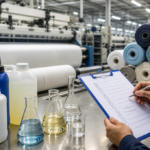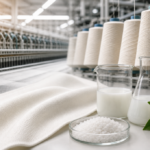




The textile industry relies on a wide range of specialty chemicals to transform raw fibers into high-quality fabrics that meet modern performance, durability, and sustainability standards. From preparing yarns for weaving to improving fabric softness and enhancing dye absorption, every stage of textile production depends on carefully selected chemical formulations.
Choosing the right textile chemicals manufacturers in India is essential for textile mills, exporters, and garment manufacturers looking to improve production efficiency while meeting global environmental standards.
At Sri Gomuki Tex Chem Pvt. Ltd., we develop eco-friendly textile chemicals that help manufacturers improve weaving performance, reduce yarn breakage, enhance fabric quality, and support sustainable textile manufacturing.
Why Textile Processing Chemicals Matter
Textile processing chemicals play an important role throughout textile manufacturing. These chemicals help manufacturers:
- Improve weaving efficiency
- Reduce machine downtime
- Increase yarn strength
- Enhance fabric appearance
- Improve dye uptake
- Reduce production costs
- Meet international sustainability requirements
Today, leading Textile Chemical Suppliers in India focus on producing environmentally responsible chemicals that comply with international certifications such as GOTS, OEKO-TEX®, and REACH.
Different Types of Textile Processing Chemicals
Every textile manufacturing process requires specialized chemicals. Below are the major categories used throughout textile production.
1.Textile Sizing Chemicals
Sizing chemicals protect yarn during weaving by forming a thin film around the fibers. This minimizes friction, reduces yarn breakage, and improves loom efficiency.
Benefits
- Improves yarn strength
- Reduces hairiness
- Prevents frequent thread breaks
- Enhances weaving productivity
- Suitable for cotton, polyester, viscose, and blended yarns
Sri Gomuki manufactures advanced textile sizing chemicals designed for high-speed weaving applications while supporting sustainable textile manufacturing.
2.Textile Binders
Binders improve the adhesion of sizing materials to yarn and enhance the durability of the sizing film.
Common types include:
- PVA Binders
- PVA-Free Binders
- Modified Polymer Binders
- Eco-Friendly Binders
Modern textile mills increasingly prefer PVA-free binders due to their lower environmental impact and easier wastewater treatment.
3.Textile Softeners
Fabric softeners improve the feel, flexibility, and appearance of finished fabrics.
Different softeners include:
Silicone Softeners
Provide premium softness and smoothness.
Non-Silicone Softeners
Suitable for applications requiring high absorbency.
Cationic Softeners
Offer excellent softness for cotton fabrics.
Micro Silicone Softeners
Deliver luxurious softness with excellent durability.
4.Textile Desizing Chemicals
The Textile Desizing Process removes sizing materials applied before weaving so that fabrics are ready for dyeing and finishing.
Common desizing chemicals include:
- Enzyme-based desizing agents
- Oxidative desizing chemicals
- Wetting agents
- Detergents
- Surfactants
A properly controlled Textile Desizing Process improves dye penetration, fabric absorbency, and overall finishing quality.
5.Wetting Agents
Wetting agents reduce surface tension, allowing water and processing chemicals to penetrate fabric quickly.
Benefits include:
- Faster chemical penetration
- Uniform dyeing
- Improved cleaning
- Better bleaching performance
6.Scouring Chemicals
Scouring removes:
- Natural waxes
- Oils
- Dirt
- Pectin
- Seed impurities
Proper scouring prepares fabrics for high-quality dyeing and finishing.
7.Bleaching Chemicals
Bleaching improves fabric whiteness by removing natural coloration before dyeing.
Common bleaching chemicals include:
- Hydrogen peroxide
- Stabilizers
- Activators
- Optical brighteners
8.Dyeing Chemicals
Dyeing auxiliaries help achieve consistent color shades while reducing chemical consumption.
Examples include:
- Leveling agents
- Dispersing agents
- Sequestering agents
- Dye fixatives
- Anti-creasing agents
9.Printing Chemicals
Printing chemicals ensure sharp designs and vibrant colors.
They include:
- Printing binders
- Pigment binders
- Thickening agents
- Cross-linking agents
10.Textile Finishing Chemicals
Finishing chemicals improve fabric functionality.
Common finishing treatments include:
- Water repellency
- Wrinkle resistance
- Flame retardancy
- Anti-microbial finishing
- UV protection
- Anti-static finishing
These specialty chemicals help manufacturers produce premium-value fabrics.
The Role of Sustainable Textile Manufacturing
Environmental regulations continue to reshape the global textile industry. As a result, many manufacturers are shifting toward Sustainable textile manufacturing practices.
Eco-friendly textile chemicals help reduce:
- Water consumption
- Chemical discharge
- Hazardous waste
- Carbon emissions
- Production costs
Sustainable textile manufacturing also supports compliance with international buyer requirements and environmental certifications.
How to Choose the Right Textile Chemicals Manufacturers in India
Selecting reliable textile chemicals manufacturers in India involves more than comparing prices.
Consider suppliers that offer:
Strong Research & Development
Continuous innovation ensures improved product performance.
Quality Certifications
Choose manufacturers following GOTS, OEKO-TEX®, REACH, and ISO standards.
Technical Support
Experienced technical teams help optimize chemical usage and improve production efficiency.
Customized Solutions
Every textile mill has unique processing requirements. Customized chemical formulations deliver better results.
Sustainable Products
Environmentally responsible formulations improve compliance while reducing operating costs.
Why Sri Gomuki Tex Chem Pvt. Ltd.?
Sri Gomuki has over two decades of experience developing innovative textile processing chemicals for weaving, sizing, and finishing applications.
Our solutions include:
- Textile Sizing Chemicals
- Eco-Friendly Binders
- PVA-Free Binders
- Textile Softeners
- Performance Chemicals
- Customized Textile Solutions
We focus on helping textile manufacturers improve productivity while supporting sustainable textile manufacturing.
Conclusion
Modern textile production depends on a wide range of processing chemicals that improve efficiency, fabric quality, and sustainability. From sizing and desizing to dyeing and finishing, each chemical plays a critical role in delivering premium textiles for domestic and international markets.
Partnering with experienced textile chemicals manufacturers in India ensures consistent product quality, optimized production, and compliance with global environmental standards. As the industry continues moving toward Sustainable textile manufacturing, choosing innovative and eco-friendly textile solutions has become more important than ever.
📞 Call Now: +91 9655006383
Request a consultation today to discover customized textile chemical solutions for your manufacturing process.
Frequently Asked Questions
Textile processing chemicals are specialty chemicals used during sizing, desizing, scouring, bleaching, dyeing, printing, and finishing to improve fabric quality and manufacturing efficiency.
The Textile Desizing Process removes sizing materials from woven fabrics, allowing dyes and finishing chemicals to penetrate evenly for better fabric quality.
Eco-friendly textile chemicals reduce wastewater pollution, improve compliance with global standards, and support sustainable textile manufacturing.
Sizing chemicals strengthen yarn, reduce friction, minimize yarn breakage, and increase loom efficiency.
Reliable manufacturers provide certified, high-performance, and environmentally responsible textile chemicals backed by strong technical support and consistent quality.